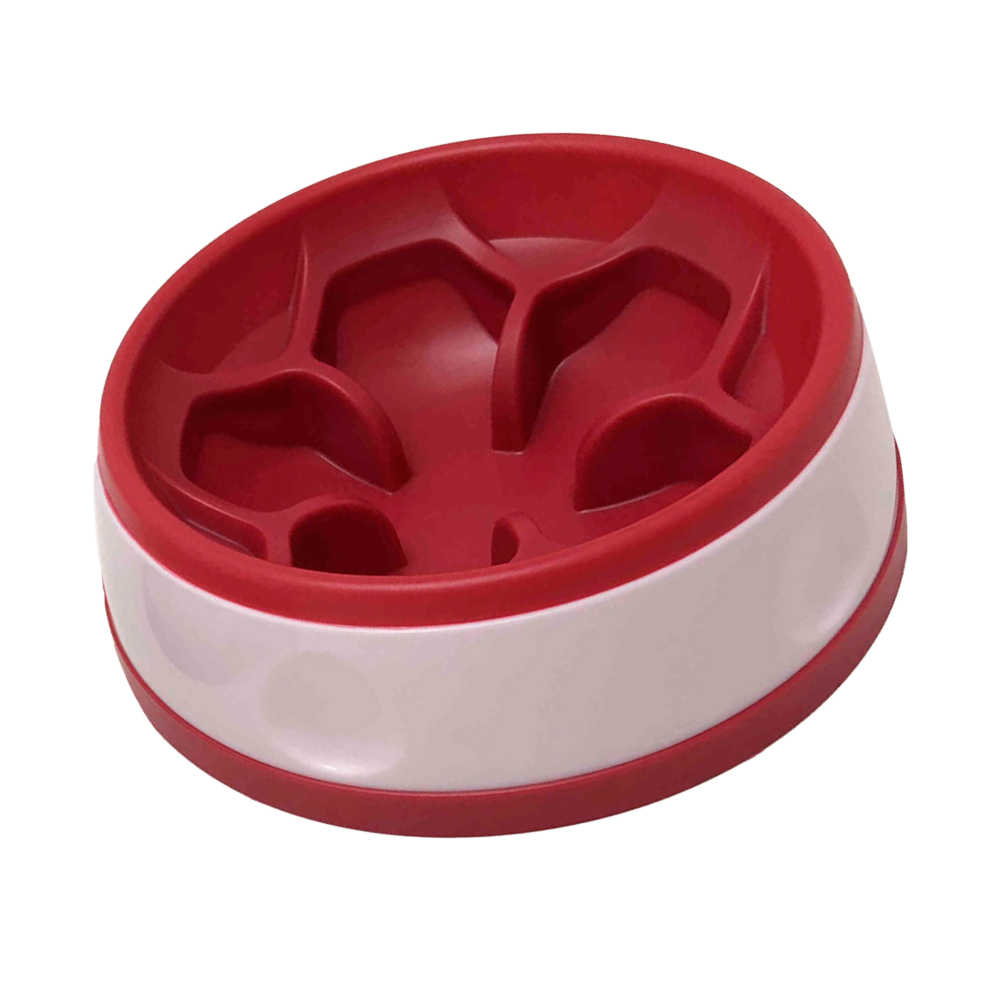
The CROCI Slow Bowl Cherry is a slow-feeder bowl made of TPR rubber, 500 ml in volume and 18 cm in diameter. Shaped ridges inside stop your pet from grabbing big mouthfuls: it has to pick kibble out from between the ridges, so mealtime lasts several times longer. That reduces air-gulping, regurgitation and gas, helps control appetite and turns feeding into a small game. The rubber base doesn't slide on the floor. It suits small and medium dogs, puppies and cats that eat too greedily.
What it is and who makes it
CROCI is an Italian company making accessories for dogs and cats: bowls, toys, walking gear and grooming products. Slow Bowl is its slow-feeder range. The Cherry model is red and made of thermoplastic rubber (TPR) — softer than plastic, it doesn't clatter or scratch the floor.
Specifications
| Parameter | Value |
|---|---|
| Material | Thermoplastic rubber (TPR) |
| Volume | 500 ml |
| Diameter | 18 cm |
| Colour | Red (Cherry) |
| For | Dogs and cats |
| Base | Non-slip |
Why use a slow-feeder bowl
Dogs that swallow food without chewing also swallow air. That leads to regurgitation, burping, gas and discomfort after meals. In large breeds, fast eating is considered one of the risk factors for bloat. Cats that eat greedily often bring food back up straight after eating. The ridges make pets eat more slowly, and searching for kibble gives mental exercise — good for bored pets. More on choosing bowls in dog and cat bowls.
How to get your pet used to it
- For the first days, fill it so the kibble shows above the ridges — your pet will quickly understand where the food is.
- Praise and don't rush: many dogs first try to tip the bowl over.
- If your dog gets frustrated, put part of the portion in a normal bowl for a while and switch over gradually.
- Spread wet food thinly over the ridges so your pet licks it out for longer.
Pros
- Meals last several times longer. The ridges make pets pick food out rather than gulp it.
- Less gas and regurgitation. Your pet swallows less air.
- Doesn't slide. The rubber base keeps the bowl in place.
- Quiet and soft. TPR doesn't clatter or scratch the floor.
- For dogs and cats. Works for both dry and wet food.
- Brain work. Searching for kibble reduces boredom.
Cons and what to keep in mind
- Harder to clean. The ridges need a brush, especially after wet food.
- Small volume. 500 ml suits small and medium dogs; large dogs need a bigger bowl.
- Not for chewers. Don't leave rubber with dogs that chew bowls — remove it after meals.
- Adjustment time. Some pets need a few days to work out how to eat from it.
Rubber or metal
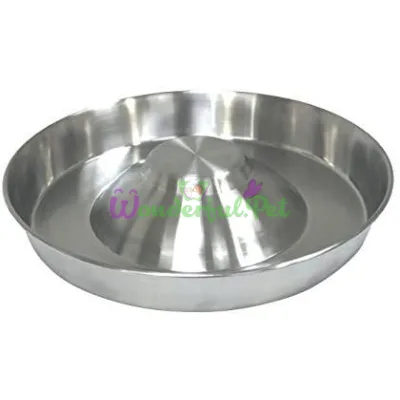
If your puppy chews everything or you want a dishwasher-friendly bowl, consider the metal CROCI Slow Eating puppy bowl: stainless steel can't be chewed through and is easier to wash. The rubber Slow Bowl is quieter, softer and more stable on smooth floors. Other bowls are in dog bowls and feeders and cat bowls.
Who it suits
Dogs that finish their meal in seconds, flat-faced breeds (French Bulldogs, Pugs) that swallow a lot of air — more in what to feed a French Bulldog — as well as dogs on a diet and greedy cats.
Verdict
The CROCI Slow Bowl is a simple, effective slow feeder: it stretches out meals, reduces gas and regurgitation, doesn't slide and doesn't clatter. It needs more careful cleaning, and large dogs need a bigger model.
Frequently Asked Questions
Is the bowl suitable for wet food?
Yes, wet food can be spread over the ridges so your pet eats even more slowly.
Can I use it for a cat?
Yes, it suits cats, especially those that vomit after eating too fast.
How do I clean it?
With warm water, a mild detergent and a brush to clean between the ridges. After wet food, wash it straight after the meal.
Which dogs is 500 ml enough for?
Small and medium dogs. For large breeds, choose a bigger bowl.