
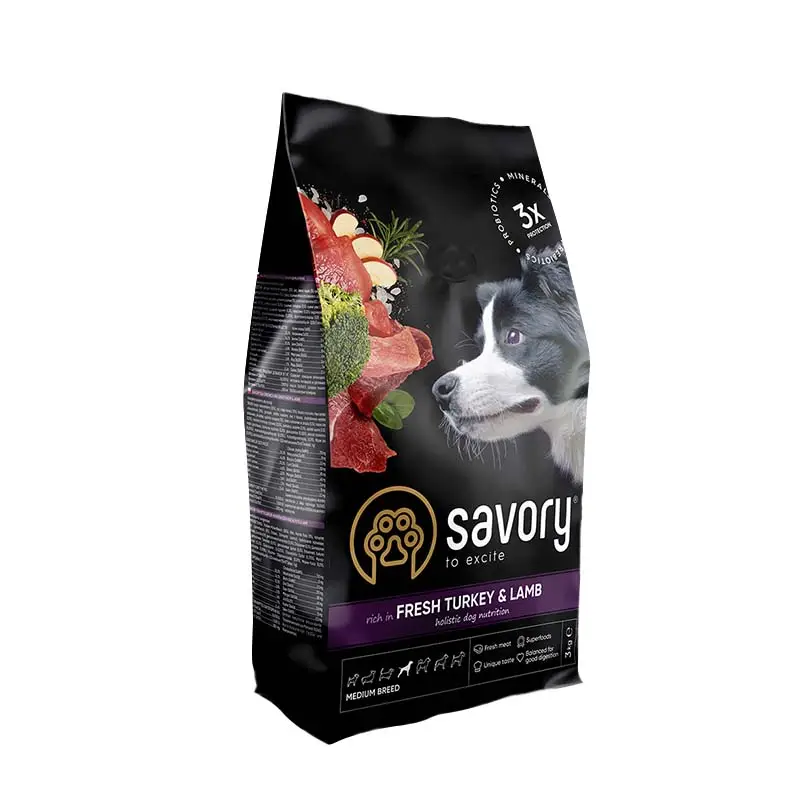
A dog can be fed well on both home-cooked food and commercial food — what matters is that the diet is complete and balanced. A good dry or wet food already contains the right ratio of protein, fat, calcium, phosphorus, vitamins and trace elements, and it's easy to portion. A home-cooked diet can also be complete, but only if it's properly formulated (ideally by a veterinary nutritionist): plain meat and porridge without supplements is almost always short of calcium, vitamins and fatty acids.
Comparison: home-cooked diet vs commercial food
| Home-cooked diet | Commercial food | |
|---|---|---|
| Balance | Must be calculated, with vitamin and mineral supplements added | Already balanced (if it's a complete food) |
| Time | Shopping, cooking, storage | Pour it in and you're done |
| Cost | For a large dog often more expensive than premium food | Depends on the food's class |
| Portion control | Harder to count calories accurately | Daily amount is on the bag |
| Taste and variety | Dogs usually eat it eagerly | Many flavours; wet food is more appetising |
| Travel and boarding | Inconvenient | Convenient |
Common mistakes with home-cooked diets
- No calcium. Meat is rich in phosphorus but poor in calcium. Without a supplement or bone meal, puppies' bone growth suffers and adult dogs' metabolism is disrupted.
- Meat and porridge with no vitamins. Vitamins D and E, B vitamins, zinc, iodine and omega-3 are lacking.
- Too much porridge — the diet becomes low in protein and too high in calories.
- Table scraps — salt, spices, onion, fat. That's not a natural diet but a dangerous one.
- Raw meat without precautions — risk of salmonella and parasites, especially with children in the home.
How to choose commercial food
When choosing commercial food, look at the class and ingredients: a named animal protein comes first, the food suits your dog's age and size, and the bag says complete. For example, Savory Adult Medium with turkey and lamb is made for medium breeds, while Happy Dog Neuseeland with lamb suits dogs with sensitive digestion. How to tell good food from marketing is covered in our articles on dog food classes and how to read pet food ingredients.
Can you mix home-cooked food and kibble
You can, but there's little point and some risk:
- calories are hard to count, so dogs easily gain weight;
- home food dilutes the food's balance, especially calcium and phosphorus;
- the dog starts picking out the tasty bits and refusing kibble.
If you want variety, it's easier to combine dry food with wet food from the same or a compatible range — the balance stays intact. Wet food is in the canned dog food section. Small additions of porridge or meat (up to 10% of calories) are fine as treats. Don't add vitamins to a complete food unless your vet prescribes them.
How to switch a dog from home-cooked food to kibble
- Switch gradually over 7–10 days: start with 25% kibble and 75% of the usual food.
- Increase the share of kibble every 2–3 days, watching stool and appetite.
- For picky dogs, slightly soak the kibble in warm water or add a spoonful of wet food.
- Don't leave the bowl out all day: remove it after 15–20 minutes — a routine helps.
The detailed plan is in how to switch your dog to a new food.
Which to choose
If you don't have the time or desire to calculate a diet, choose a good complete food — it's more reliable than meat and porridge. If you want to feed home-cooked food, ask a veterinary nutritionist to formulate a diet with supplements and review it as your dog grows, ages or changes activity level. Food for every breed and age is in the dry dog food and holistic dog food sections.
Frequently Asked Questions
Which is healthier for a dog — home-cooked food or dry food?
A balanced diet is healthier. A good complete food provides everything needed; a home-cooked diet can be just as good if it's formulated and supplemented with vitamins and minerals.
Can I give dry food in the morning and home-cooked food in the evening?
Yes, if the overall diet is balanced and calories aren't exceeded. But it's harder to calculate than feeding one type of food.
Is it true that dry food is bad for the kidneys?
No, good food doesn't harm a healthy dog's kidneys. What matters is that fresh water is always available.
How much does a home-cooked diet cost compared with commercial food?
For a large dog, a quality home-cooked diet with supplements is usually no cheaper than premium or super-premium food.


