
Never give your dog chocolate or cocoa, grapes or raisins, onions or garlic, xylitol (the sweetener in sugar-free gum and sweets), macadamia nuts, alcohol, coffee or energy drinks, cooked or hollow bones, or fatty, salty and smoked table food. Some of these are dangerous even in small amounts: grapes can cause acute kidney failure and xylitol a sharp drop in blood sugar. If your dog ate something on this list, call your vet right away — don't wait for symptoms.
The most dangerous foods for dogs
| Food | Why it's dangerous | Signs |
|---|---|---|
| Chocolate, cocoa | Theobromine and caffeine; the darker the chocolate, the worse | Vomiting, agitation, fast heartbeat, seizures |
| Grapes, raisins | Kidney damage; the toxic dose is unpredictable | Vomiting, lethargy, little urine |
| Onions, garlic, leeks | Destroy red blood cells (anaemia), including dried and in sauces | Weakness, pale gums, dark urine — sometimes days later |
| Xylitol (E967) | Insulin release, hypoglycaemia, liver damage | Vomiting, wobbliness, seizures |
| Macadamia nuts | Toxic to dogs | Hind-leg weakness, tremors, fever |
| Alcohol, raw yeast dough | Ethanol poisoning; dough expands in the stomach | Wobbliness, vomiting, bloating |
| Coffee, tea, energy drinks | Caffeine | Restlessness, arrhythmia, tremors |
| Cooked and hollow bones | Sharp splinters | Mouth and gut injuries, blockage |
Table food that does harm over time
- Fatty food — lard, skin, fatty pork, barbecue leftovers. Can trigger pancreatitis, a painful inflammation of the pancreas.
- Salty, smoked, spicy food — sausages, hot dogs, salty cheese, spices. A strain on the kidneys and stomach, plus extra calories.
- Sweets and pastries — weight gain and dental problems.
- Milk — many adult dogs have little lactase, so milk causes diarrhoea. Small amounts of low-fat kefir or cottage cheese are usually better tolerated.
- Raw freshwater fish and raw pork — risk of parasites.
- Fruit pits (peach, plum, apricot, avocado) — can get stuck in the intestines.
Medicines and household chemicals
Another risk group is what dogs find around the house. Human painkillers (ibuprofen, paracetamol, naproxen) are dangerous for dogs even as a single tablet. Antifreeze tastes sweet and causes severe kidney damage. Rodent poisons, fertilisers and nicotine (cigarettes, cartridges) are also common causes of poisoning. Keep medicines and chemicals in closed cupboards and never give your dog human medication unless your vet prescribes it.
What dogs can eat
Treats are fine in moderation: treats and extras should make up no more than 10% of daily calories. Good options:
- boiled lean meat without salt or spices — chicken, turkey, beef;
- carrot, cucumber, pumpkin, apple without seeds — in small pieces;
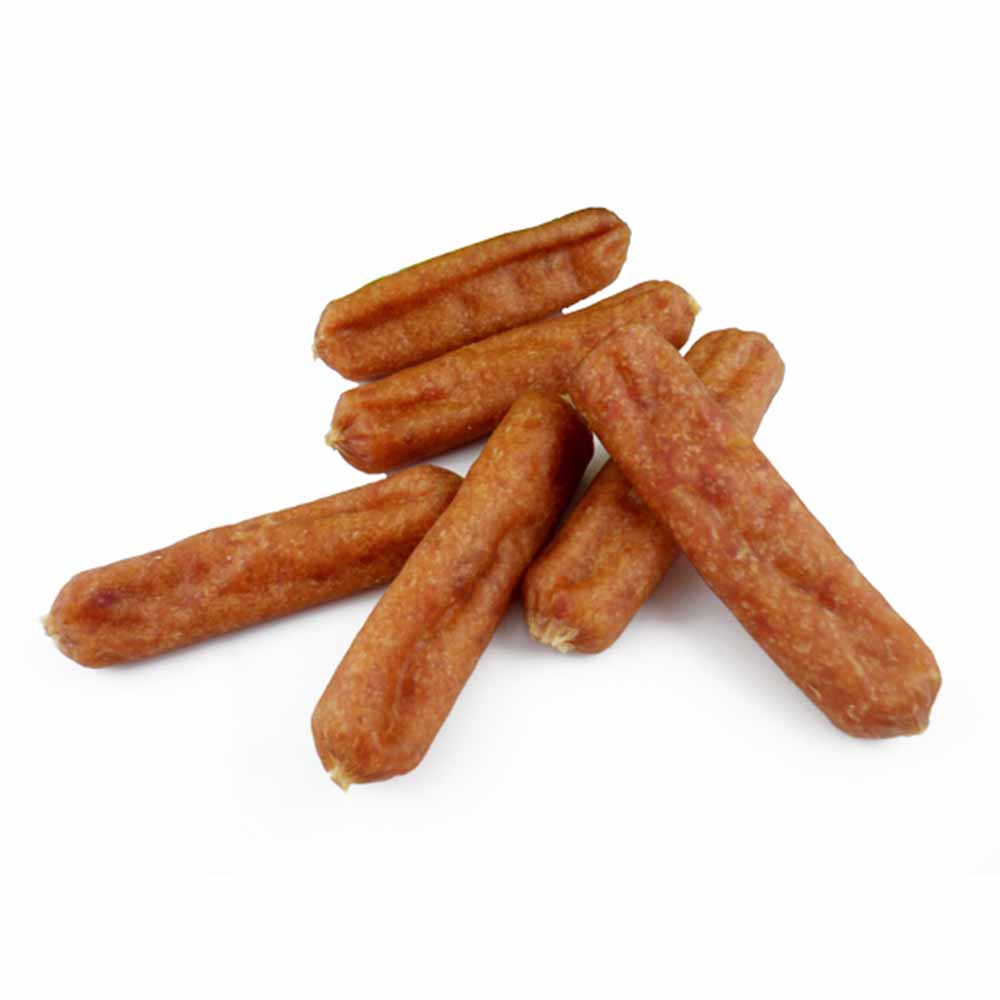
- dog treats, for example Selyanski Smakoliki dried chicken sausages.
More options are in the dog treats section. What's safe to chew is covered in detail in our article on chews for dogs.
What to do if your dog ate something dangerous
- Remove what's left and find out what, how much and when your dog ate. Keep the packaging.
- Call your vet or a 24-hour clinic immediately — with many poisonings the first hours matter.
- Don't induce vomiting or give any medication unless your vet tells you to: with some substances this is dangerous.
- If there are seizures, collapse or difficulty breathing, take your dog to a clinic right away.
Complete food is the basis of the diet
The simplest way to avoid trouble is to feed a complete dog food, where protein, fat, vitamins and minerals are already balanced, and skip table food altogether. For example, Happy Dog NaturCroq with lamb and rice suits adult dogs with sensitive digestion. See the dry dog food and dog food sections, and to work out the portion read how much food to give a dog per day.
Frequently Asked Questions
Can dogs drink milk?
Puppies should only get a special milk replacer. Milk often gives adult dogs diarrhoea; small amounts of unsweetened fermented dairy are usually better tolerated.
Can I give my dog bones?
No cooked or hollow (chicken) bones: they splinter into sharp pieces. Size-appropriate chews and toys are safer.
How much chocolate is dangerous for a dog?
It depends on the dog's weight and the type of chocolate: dark is more dangerous than milk. For a small dog even a bar of milk chocolate can be dangerous, so call your vet in any case.
Can dogs eat fruit?
Apple and pear without seeds, banana and seedless watermelon are fine in small amounts. Grapes and raisins — never.


