A British Shorthair kitten eats a good kitten food until 12 months: 4–5 meals a day from 2 to 4 months, 3–4 from 4 to 6 months and 3 from 6 to 12 months. An adult British cat is fed 2–3 times a day with a complete super-premium or premium food high in animal protein, strictly by the recommended amount: British cats are inactive and prone to weight gain. After neutering, switch to food for neutered cats. A special breed food isn't necessary — any good food that suits the cat's age and lifestyle will do.
Breed traits that matter for diet
- Tendency to put on weight. British cats are calm and move less, so they overeat easily.
- Slow maturity. They fill out fully by 2–3 years: males usually weigh 5–8 kg, females 3.5–5.5 kg.
- A dense, thick coat needs protein and omega-3 and omega-6 fatty acids to stay healthy.
- Heart and kidney health. Hypertrophic cardiomyopathy and polycystic kidney disease occur in the breed, so a healthy weight and enough water are especially important.
What to feed a British kitten
At home, keep feeding the food the breeder used — a sudden change of diet on top of moving house often upsets digestion. If you need to change the food, do it gradually over 7–10 days. Kitten food is richer in protein, fat, calcium and DHA for brain and eye development.
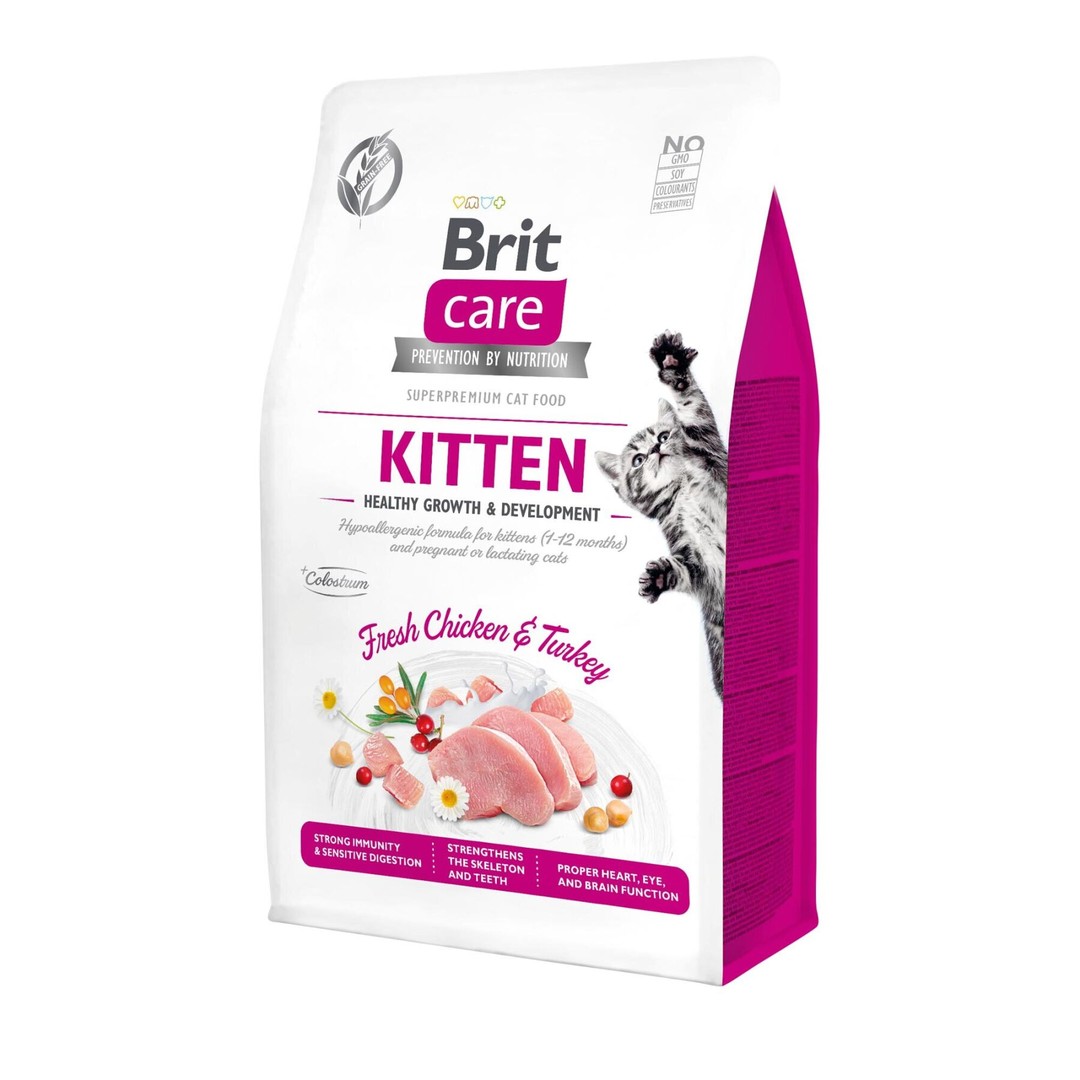
- Dry kitten food — for example, Brit Care Kitten Healthy Growth or MERA Cats Nature Kitten with salmon.
- Wet kitten food — a pouch or can once or twice a day: extra water and familiarity with different textures.
- Fresh water always available, away from food.
Kitten food is in dry kitten food; more about kitten nutrition in what to feed a kitten.
Feeding schedule by age
| Age | Meals a day | Food |
|---|---|---|
| 2–4 months | 4–5 | Kitten food, dry and wet |
| 4–6 months | 3–4 | Kitten food |
| 6–12 months | 3 | Kitten food; after neutering, food for neutered kittens or as your vet advises |
| Over 1 year | 2–3 | Adult or neutered cat food |
| Over 7–10 years | 2–3 | Senior cat food |
How to work out the portion in grams is in how many times a day to feed a cat.
What to feed an adult British cat
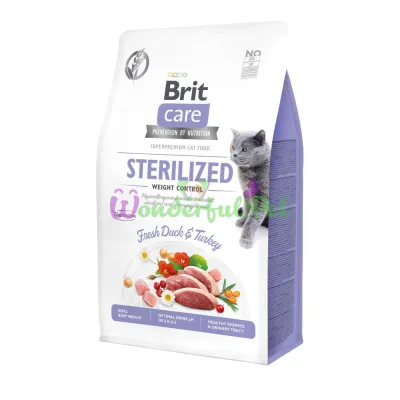
Choose a complete food with a named animal protein listed first. For indoor British cats, dry food plus one pouch of wet food a day works well. Most British cats are neutered, so the base of the diet is usually a moderate-calorie food for neutered cats with controlled minerals — for example, Brit Care Sterilised Weight Control. See food for neutered cats and canned cat food.
How not to overfeed a British cat
- Weigh out the daily amount and split it into 2–3 meals.
- Don't keep a full bowl of dry food out all day.
- Treats — no more than 10% of calories.
- Play for 10–15 minutes every day — British cats are lazy but happily chase a wand toy.
- Weigh your cat monthly; at a healthy weight the ribs can be felt under a thin layer of fat.
The British coat and diet
The dense plush coat with its thick undercoat needs brushing once a week, 2–3 times during shedding, or the cat swallows a lot of hair. Rubber brushes and slicker brushes from cat brushes and combs work well. If hairballs build up, malt pastes and hairball food help — more in hairballs in cats.
What not to give a British cat
- table food, sausage, sweets;
- cow's milk — it gives most adult cats diarrhoea;
- dry food mixed with home food by eye — it upsets the balance and leads to overeating;
- vitamins on top of a complete food unless your vet prescribes them.
Frequently Asked Questions
Until what age should a British kitten eat kitten food?
Usually until 12 months. If the kitten was neutered earlier, your vet may suggest food for neutered kittens.
Does a British cat need a special breed food?
Not necessarily. Food quality, the right life stage and portion control matter more.
How much should a British Shorthair weigh?
Adult males usually weigh 5–8 kg, females 3.5–5.5 kg. Judge by body shape, not just the number.
Can a British cat eat home-cooked food?
Yes, if the diet is formulated and supplemented with vitamins and minerals. A good commercial food is simpler and more reliable.