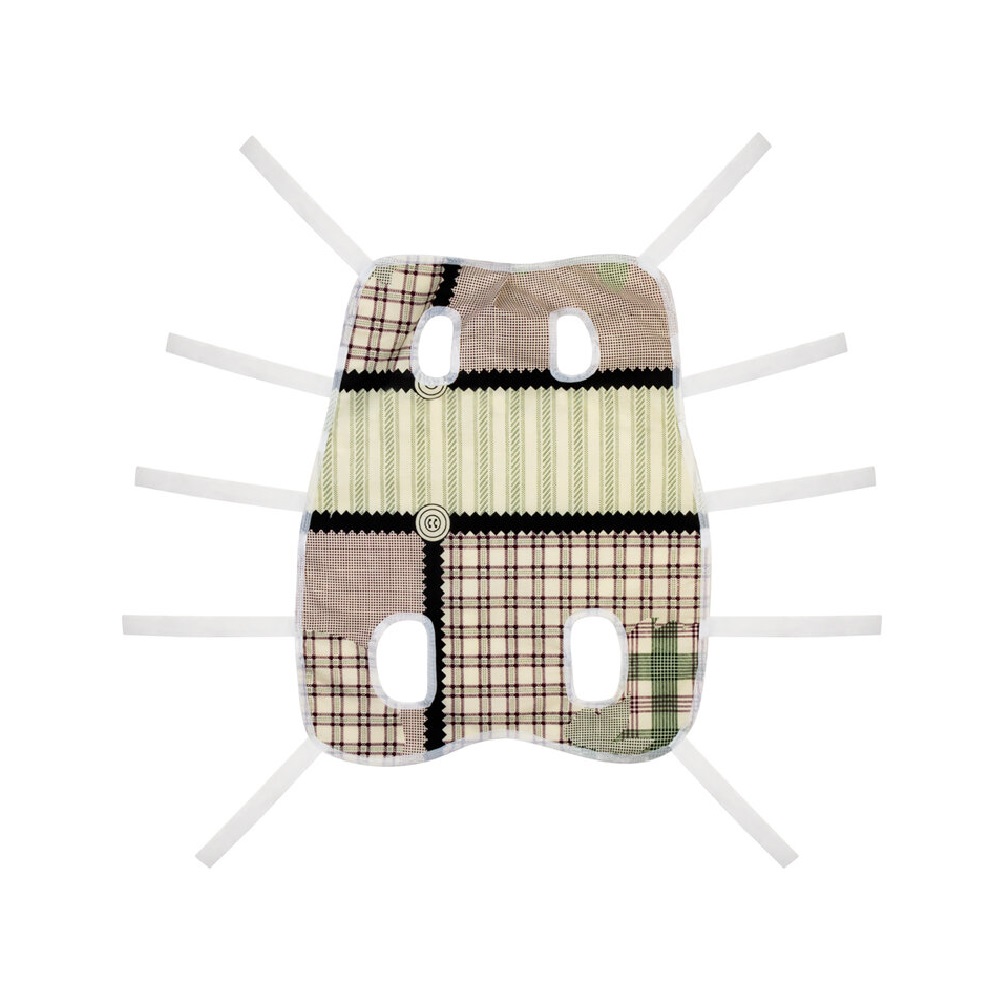
After spaying, bring your cat home in a carrier, place her on the floor in a warm, quiet spot and don't let her jump onto high places while she recovers from anaesthesia. Offer water once she's fully awake and swallowing confidently, and food when your vet says (usually a small portion in the evening or the next day). Protect the wound from licking with a post-op recovery suit or a cone and check it daily. Give only the painkillers your vet prescribed. After recovery, switch to food for neutered cats and watch her weight: energy needs go down.
What to prepare in advance
- A carrier with an absorbent pad — the cat may urinate under anaesthesia.
- A post-op recovery suit in the right size, such as the Collar No. 2 recovery suit, or a protective cone — the Collar plastic cone. Ask your vet which to choose.
- A spot on the floor — a bed or a box with a blanket, away from draughts, radiators and other pets.
- A low-sided litter box near the resting place, with clean litter.
The first day: waking from anaesthesia
- Don't leave your cat on a sofa or bed: she's wobbly and may fall.
- Body temperature drops after anaesthesia — cover her with a blanket. Use a hot-water bottle only wrapped in cloth and not pressed against her.
- Her eyes may stay half-open — if the vet gave you a gel, apply it as directed.
- Don't give water until she stands and moves confidently — she could choke.
- Behaviour can be odd in the first hours: disorientation, meowing, trying to wander. That's normal, but if she doesn't wake up within the time the vet gave, call the clinic.
The wound: recovery suit or cone
The main risk after surgery is licking and scratching the wound: it can get infected or the stitches can come out. A recovery suit is more comfortable: the cat can eat, drink and use the litter box freely; it's chosen by chest size and changed if it gets dirty. A cone is more reliable for cats that wriggle out of suits or reach the wound with their hind legs. Keep the protection on until the stitches are removed or the wound has healed — usually 10–14 days.
How to care for the wound
- Check the wound once or twice a day. Slight redness and swelling in the first days are normal.
- Use only what your vet prescribed. Don't use alcohol solutions or ointments just in case.
- Non-dissolvable stitches are removed after 10–14 days.
- Don't bathe your cat until the wound has fully healed.
When to call the vet urgently
- the wound has opened, is bleeding or leaking pus or fluid;
- severe swelling, the wound feels hot;
- the cat hasn't eaten for more than a day after surgery, is vomiting or lethargic;
- fever, laboured breathing, pale gums;
- no urination for more than a day.
Diet after spaying
In the first days, feed what your vet recommended — usually her familiar wet food in small portions. After recovery, remember that neutered cats have a slower metabolism and often a bigger appetite. Without adjusting the diet, a cat quickly gains weight, and excess weight raises the risk of urinary stones and diabetes.
- Switch to food for neutered cats: it has fewer calories and minerals balanced for urinary health — for example, Brit Care Sterilised Weight Control.
- Measure the daily amount by weight and don't top up the bowl.
- Add wet food and several bowls of water.
- Play with your cat every day.
See the range in food for neutered cats and read more in how to choose food for a neutered cat.
If you neutered a male cat
Castration is a shorter operation: the incisions are small and often not stitched. Male cats usually don't need a recovery suit, but the incisions are watched the same way, and for the first days a large-grain or paper litter is better so particles don't stick. The diet advice is the same: food for neutered cats and weight control.
Frequently Asked Questions
When can I feed my cat after spaying?
When your vet says; most often a small portion 6–12 hours later or the next day. Water once she's fully awake.
How long should the recovery suit be worn?
Usually 10–14 days, until the stitches are removed or the wound has fully healed.
Can I leave my cat alone after surgery?
For the first day it's best to be nearby. After that you can leave her if the wound is reliably protected.
Why do cats gain weight after spaying?
Hormones change, energy use drops and appetite rises. Food for neutered cats, portion control and play help.