A pet go-bag is a bag packed in advance so you can head to a shelter or leave within a minute. It should contain: a carrier for a cat or small dog (a leash, harness and muzzle for a large dog), food and water for 3–7 days, a collapsible bowl, pads or a small litter tray, waste bags, documents and photos of your pet, any regular medication, an ID tag on the collar, a blanket and a favourite toy. Keep the bag near the door and refresh the food and water every couple of months.
Why pack the bag in advance
During an alert or evacuation time is short, and animals sense their owners' tension: the cat hides under the sofa, the dog gets nervous. If everything is already in one bag and your pet is used to its carrier, you can get ready calmly and quickly. Long power and heating cuts also mean you need a supply of food and water and a warm spot for your pet at home.
Checklist: what to put in the go-bag
| Item | Why and how much |
|---|---|
| Carrier or leash with harness | Cats and small dogs in a carrier, large dogs on a short leash and muzzled if needed |
| Food | For 3–7 days in airtight packaging; pouches and small bags of dry food are convenient |
| Water | On average 40–60 ml per kg of body weight per day, enough for 3 days |
| Collapsible bowl | Light and takes up no space |
| Pads, bags, a small litter tray | Toilet needs in a shelter or on the road |
| Documents | Vet passport with vaccinations, microchip number; copies and photos on your phone |
| Medication | If your pet is on regular treatment, a 1–2 week supply |
| ID tag, photos of your pet | If your pet gets lost, photos make the search easier |
| Blanket or bedding, a toy | Warmth and a familiar smell are calming |
Carrier: choose one and get your pet used to it early
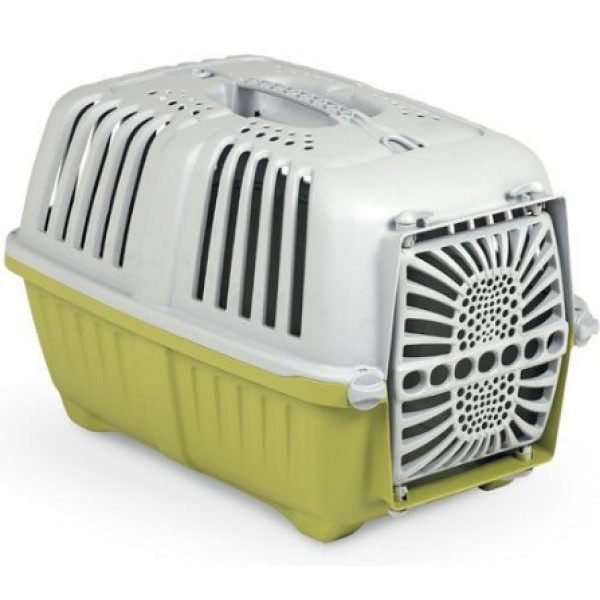
The carrier should let your pet stand up, turn around and lie down. Plastic carriers such as the MPS Pratiko are sturdy and easy to clean, while soft bags are lighter to carry. The main thing is to get your pet used to it before you need it: leave the carrier open in a room, put bedding and treats inside and feed your pet next to it. Then, when the moment comes, your cat will walk in by itself instead of hiding. See the cat bags and carriers and travel with dogs sections.
Bowls, water and toilet on the go
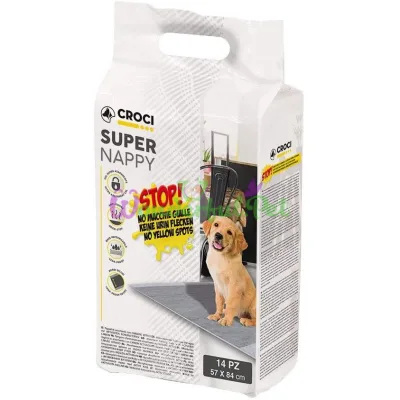
Take a collapsible bowl with a carabiner — it clips onto a bag or leash. For dogs, pads such as CROCI pads with activated charcoal help with odour; for cats, a small tray or a bag of litter. All of this is in the dog toilets and pads and cat litter sections.
In a shelter: how to manage your pet
- Find out in advance whether animals are allowed in your nearest shelter and what the rules are.
- Keep your cat in a closed carrier and your dog on a short leash next to you. A large dog that gets nervous around people is best kept muzzled.
- Cover the carrier with a blanket: cats calm down faster in a "den".
- Don't give a big meal before possible travel — a little water and a treat are enough.
- Be considerate of others: clean up after your pet and keep it away from people who are afraid of animals or allergic.
Power cuts: keeping your pet warm and comfortable at home
- A warm spot. A bolster bed, a pet house or a blanket help hold heat; small and hairless dogs can wear a sweater. Don't leave your pet unattended near heaters, candles or a generator.
- Water. If you use an electric water fountain, keep a regular bowl or a gravity waterer such as the Moderna Tasty gravity dispenser nearby — it works without electricity.
- Aquarium. Without aeration fish may run short of oxygen: keep a spare battery-powered air pump, available in the aquarium equipment section.
- Walks in the dark. When street lights are off, put a light-up collar or clip-on light on your dog and take a flashlight.
Helping your pet cope with stress
Explosions and sirens frighten animals. Don't scold your pet for hiding or whining, speak calmly and let it shelter where it feels safest. Chew toys and treats help, and for cats so do diffusers with calming pheromones. If your pet is severely or persistently stressed, see a vet who can recommend a suitable remedy.
Wonderful.pet has carriers, collapsible bowls, pads, litter, ID tags and everything else for your pet's go-bag, with Nova Poshta delivery across Ukraine.
Frequently Asked Questions
How much food and water should go in the go-bag?
Food for 3–7 days in airtight packaging, and water at an average of 40–60 ml per kg of body weight per day for 3 days. Check expiry dates every 2–3 months.
Can I take my cat to a shelter without a carrier?
It's better not to: a frightened cat can wriggle free and run away. Use a carrier or at least a harness and leash.
What documents does my pet need for evacuation?
A vet passport with vaccination records and the microchip number if there is one. Take photos of the documents and of your pet and keep copies on your phone.
How do I get my cat used to a carrier?
Make the carrier part of the home: keep it open, put bedding and treats inside and feed your cat next to it. Within a couple of weeks your cat will start going in by itself.