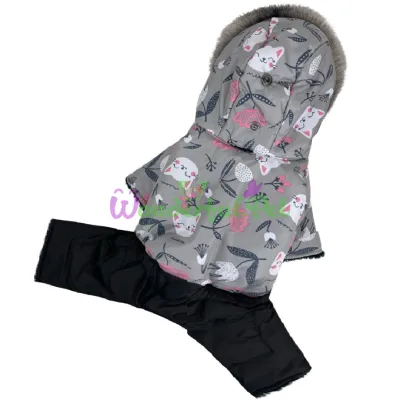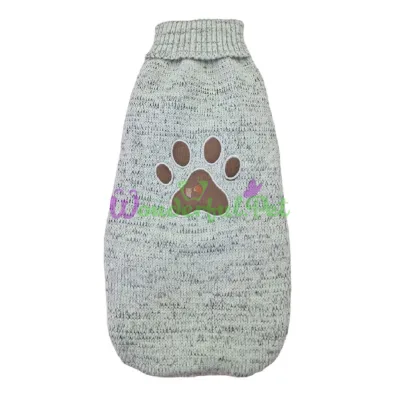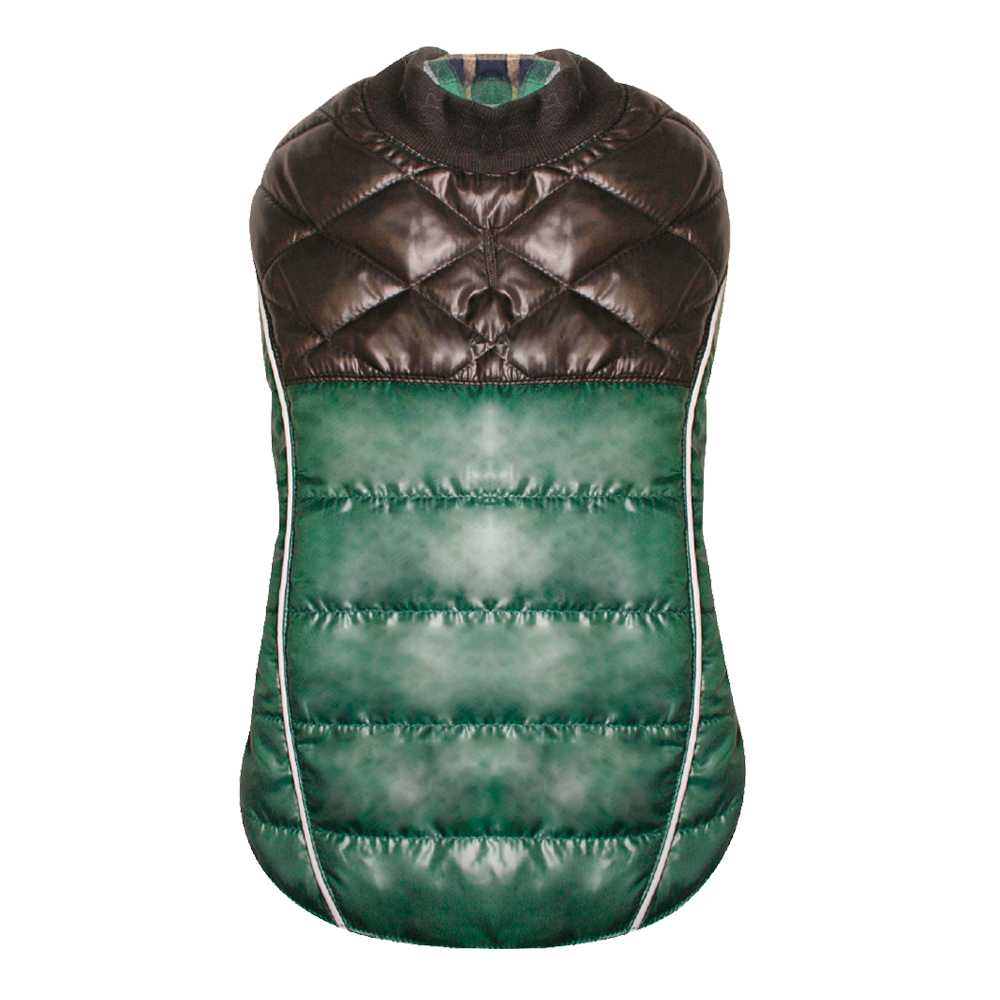
Clothes help dogs that lose heat easily: small breeds (Chihuahua, Toy Terrier, Yorkie), short-haired dogs without undercoat (Dachshund, Italian Greyhound, Chinese Crested), puppies, seniors and dogs in poor health. In autumn the main task is protection from rain and mud, so a raincoat or a light all-in-one suit is the usual choice; in winter an insulated jacket or a lined snowsuit, and boots for streets treated with de-icing salt. Dogs with a thick undercoat (Husky, Malamute, Shepherd) usually don't need warm clothes, at most a raincoat against mud.
Which dogs need clothes
- Small and toy breeds. A small body has a large surface area relative to its weight, so it cools quickly.
- Short-haired dogs without undercoat: Dachshunds, Pinschers, Italian Greyhounds, Whippets, French Bulldogs, Chinese Cresteds.
- Puppies and senior dogs — they regulate body temperature less well.
- Dogs recovering from illness or surgery, or with joint problems — cold and damp are bad for them.
- After a grooming clip — until the coat grows back.
Signs your dog is cold on a walk: it shivers, lifts its paws, hunches up and wants to go home after a few minutes. If this already happens at +5…0 °C, clothes are needed.
Types of dog clothes
| Type | When to wear | What it does |
|---|---|---|
| Raincoat | Autumn, spring, slush | Keeps off rain and mud, dries in minutes |
| Insulated jacket or vest | Cool autumn, mild winter | Warms the body, easy to put on |
| Snowsuit (all-in-one) | Slush, snow, frost | Covers legs and belly from mud, snow and cold |
| Sweater | At home in a cold flat, under a jacket, dry cool weather | Soft warmth, doesn't restrict movement |
| Boots | De-icing salt, ice, sharp crusty snow | Protect the paw pads |
For mild autumn days try the CROCI Black Forest insulated jacket, for cold and snow the Dogs Bomba winter snowsuit, and for home and dry walks the PH PAW knitted sweater. Everything else is in the clothing and accessories section.
How to choose the size
Sizes vary between brands, so go by your dog's measurements rather than S/M/L letters:
- Back length — from the base of the neck (where the collar sits) to the base of the tail. This is the key measurement and is often given in centimetres in the product name.
- Chest girth — around the widest part just behind the front legs. Add 3–5 cm for comfort.
- Neck girth — where the collar usually sits.
If your dog is between sizes, go up for fluffy and broad-chested breeds and down for slim ones. Clothes should not rub under the front legs or get in the way of running and toileting; for male dogs check that a snowsuit doesn't reach too far under the belly.
What to look for
- Outer fabric — water-repellent and easy to wipe clean.
- Lining — fleece or padding for winter, mesh or no lining for a raincoat.
- Fastenings — Velcro and snaps on the back or side are easier than zips under the belly: you don't have to roll the dog over.
- Leash opening — if your dog wears a harness under its clothes.
- Reflective details — it gets dark early in autumn and winter.
- Hood — good against rain, but not every dog likes it; it is often simply detached.
Boots: when you need them
In winter pavements are treated with salt and de-icers that damage paw pads, and dogs lick the residue off at home. Boots such as Trixie Walker Care protect against de-icers, ice and sharp crusty snow. If your dog won't accept boots, use a protective paw wax or balm and wash the paws after every walk.
How to get your dog used to clothes
- Show the item, let your dog sniff it and put a treat next to it.
- Put it on at home for a minute and praise right away. Gradually increase the time.
- Make the first walk in clothes short and fun — with play and treats.
- Introduce boots one at a time and only at home at first: your dog will lift its paws comically high at first — that's normal.
Caring for dog clothes
Wash items according to the label, in a laundry bag and without strong fragrances — dogs are sensitive to smells. Dry them away from radiators so as not to damage the membrane and padding. Keep two sets: while one dries after the rain, the other is ready for the walk.
Wonderful.pet stocks jackets, snowsuits, raincoats, sweaters and boots for small, medium and large dogs, with Nova Poshta delivery across Ukraine.
Frequently Asked Questions
At what temperature does a dog need clothes?
Small and short-haired dogs often need them from +5…0 °C, especially in damp windy weather. Dogs with a thick undercoat usually don't need warm clothes even in frost.
Should my dog wear clothes at home?
Only if the flat is cold, for example during heating or power outages. A light sweater suits hairless and small dogs; others are fine with a warm bed.
What is better for slush: a snowsuit or a jacket?
A snowsuit: it covers the legs and belly, so after the walk you only need to wash the paws rather than the whole dog.
Can a dog get too hot in clothes?
Yes. If your dog is panting, looking for a cool spot or you have gone indoors somewhere warm, take the clothes off.