
Ticks are dangerous to dogs mainly because of babesiosis (piroplasmosis), a disease that quickly becomes fatal without treatment. Fleas cause itching and allergies and spread tapeworms. So protection is needed all through the warm season, and all year round in mild winters. The main question owners ask is which is better: drops, tablets or a collar. The answer depends on your dog's lifestyle and weight, whether there are children and cats at home, and how often you're prepared to treat your pet.
Spot-on drops
Drops are applied to the skin at the base of the skull and spread through the skin and coat. One treatment usually lasts about a month: for example, Advantix protects against fleas and ticks for 4 weeks and also repels ticks and mosquitoes. The advantage of some drops is the repellent effect: a tick may die or leave before it attaches. The downsides are that you can't bathe the dog for a while after treatment, children and cats mustn't touch the application site, and drops containing permethrin are deadly for cats.
Tablets
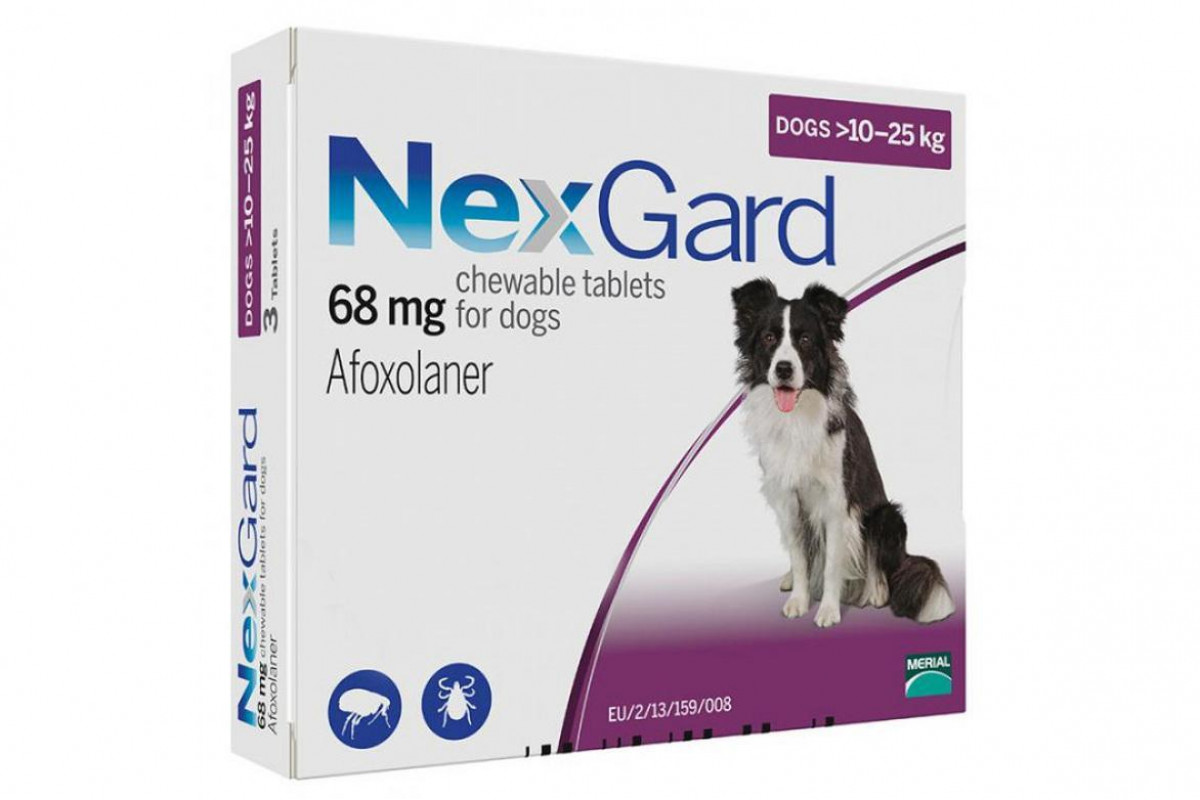
Chewable tablets work from the inside: the tick dies after attaching and starting to feed. The effect doesn't depend on bathing or the coat. NexGard and Simparica are given monthly, and Bravecto every 12 weeks. Tablets suit dogs that swim often and families with children and cats. The downside is that they don't repel ticks, so a tick may briefly attach after a walk before it dies.
Collars
A collar is worn constantly and protects for several months: Foresto for up to 8 months and Kiltix for up to 7 months according to the maker. It's the most economical option for a season and handy if you forget monthly treatments. The downsides: the collar must sit close to the skin, can rub, doesn't suit dogs that chew it, and needs care around small children.
Sprays and shampoos
A spray such as Frontline is handy for puppies and spot treatment: it protects against insects for up to 3 months and against ticks for up to a month. Antiparasitic shampoos mostly wash off fleas during the bath and give almost no lasting protection, so they aren't used as the main tick treatment.
How often to treat your dog
| Product | How often |
|---|---|
| Spot-on drops | Usually every 4 weeks |
| NexGard, Simparica tablets | Monthly |
| Bravecto tablet | Every 12 weeks |
| Foresto, Kiltix collar | Replace every 7–8 months |
Start treatment in early spring as soon as daytime temperatures stay above zero, and continue until steady cold weather. Don't combine several insecticides at once without your vet's advice, for example drops and a collar with similar ingredients.
How to choose
- Your dog swims often or lives with children and cats — tablets are more convenient.
- Lots of walks in woods and grass — drops with a repellent effect or a collar, plus a check after each walk.
- You want the whole season covered without monthly reminders — a collar or Bravecto.
- A puppy — check the minimum age and weight in the instructions; they differ between products.
Always dose by weight: don't split pipettes or give half a tablet "to grow into". Ready options are collected in flea, tick and worm treatments for dogs.
Worm protection
Flea and tick products usually don't protect against worms, apart from combined medicines. Deworming is done separately, usually every 3 months and always before vaccination. More in worms in cats and dogs: prevention.
If a tick does attach
No product gives a 100% guarantee, so check your dog after every walk: head, ears, neck, armpits, groin and between the toes. Twist a tick out with a tick hook, without applying oil. Watch your dog for a few days after a bite: lethargy, refusing food, fever or dark urine mean an urgent vet visit. General protection rules are in protecting your dog from fleas and ticks.
Frequently Asked Questions
Which is better for ticks — drops or tablets?
Drops often repel ticks, while tablets don't wash off when bathing and are safe around children and cats. The choice depends on your dog's lifestyle.
How often should I treat my dog for ticks?
Drops usually every 4 weeks, NexGard and Simparica tablets monthly, Bravecto every 12 weeks, and collars are replaced every 7–8 months.
Can I combine a collar and drops?
Only on your vet's advice, as ingredients may overlap and increase side effects.
When should treatment start?
In early spring, when daytime temperatures stay above zero, and continue until steady cold weather.
Does a tick product protect against worms?
Usually not; worms are treated with separate medicines, apart from combined products.
Can I use dog drops on a cat?
No, drops containing permethrin are poisonous to cats.

